Home/Hearing Aids

Three families of hearing aids.

All modern hearing aids are digital. They analyse sound, decide what's speech, and amplify selectively. The difference is form: where they sit, how they feel, how visible they are. Here's what we stock and how we match them to lives.

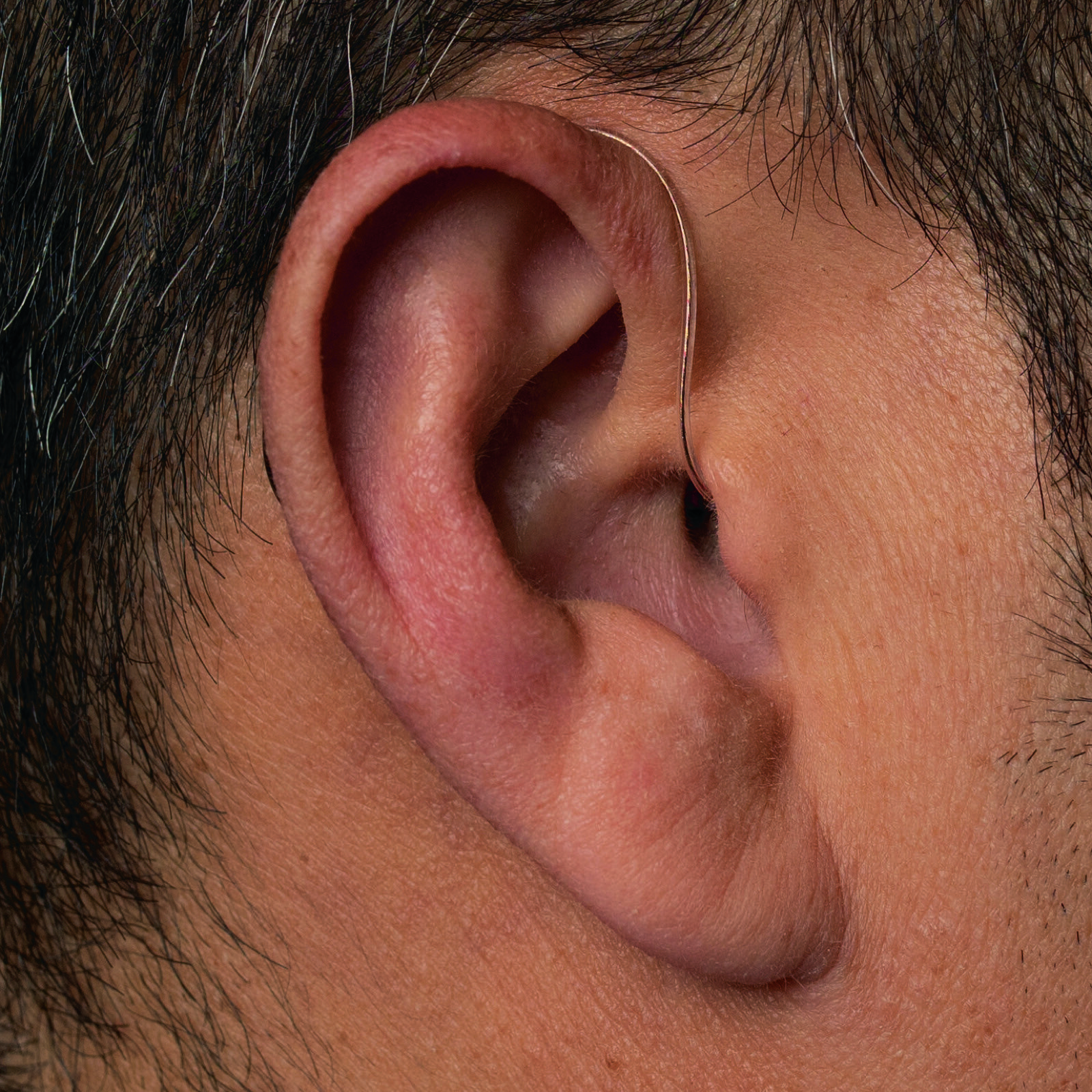
The same Phonak Receiver-in-Canal worn behind the ear, with the thin wire passing into the canal
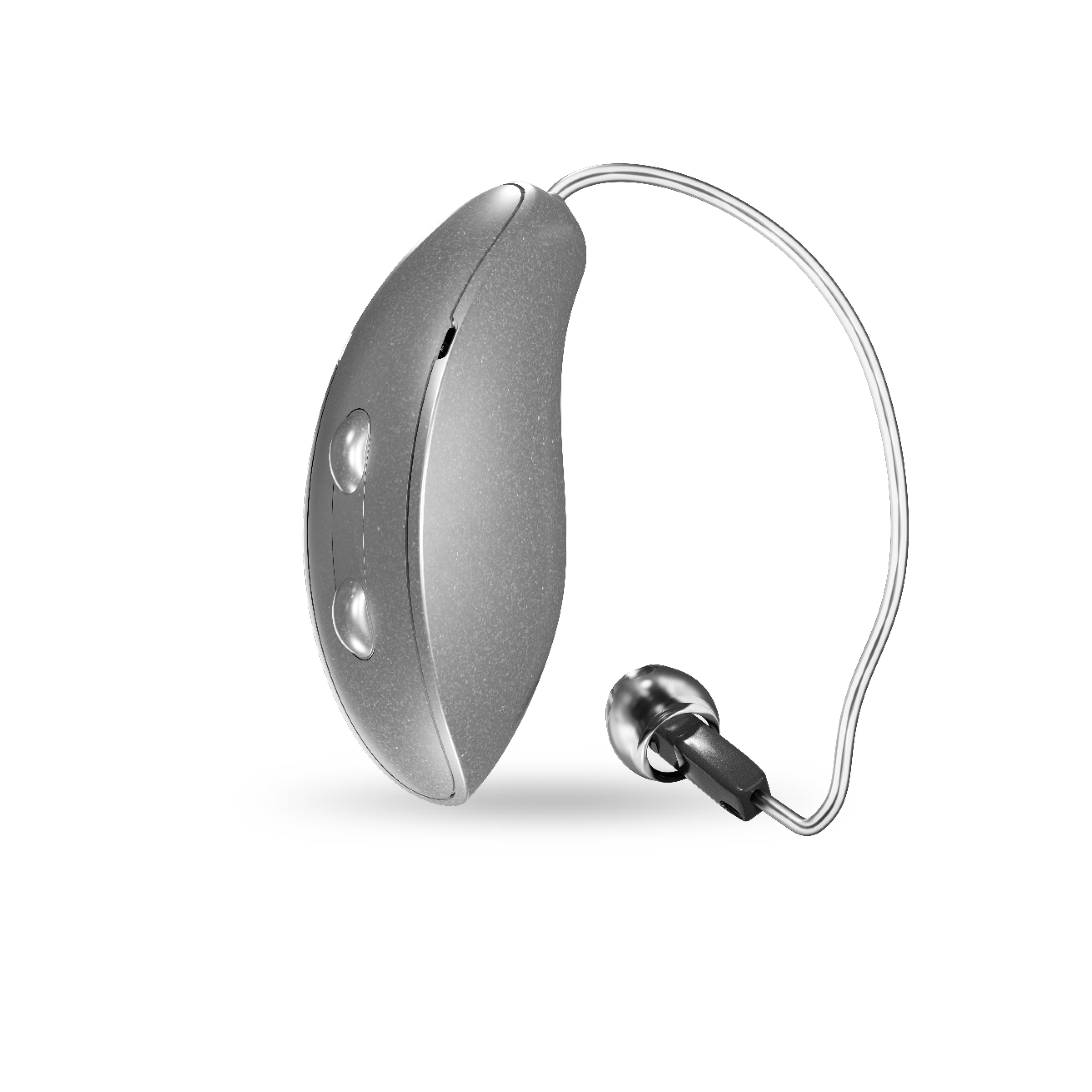
Phonak Receiver-in-Canal device on its own — sleek behind-the-ear body with a thin wire and dome
DeviceOn the ear
Drag to compare. The RIC body is small, the wire is almost invisible against the skin · Phonak
★ FITTED IN 70%+ OF CASES
01 · RECEIVER-IN-CANAL

RIC

રીસીવર-ઇન-કેનાલ · અમારું સૌથી લોકપ્રિય મોડેલ

A small processor sits behind the ear and a thin, almost-invisible wire carries sound to a receiver placed inside the ear canal. Because the speaker is in the canal, less amplification is needed, so the sound is clearer, more natural, and less prone to feedback.

For most of the adults we see (whether they've come in with a mild loss from age, or a moderate-severe loss that's been growing for years), the RIC gets fitted. It disappears against the hair, is comfortable for long wear, and modern models are rechargeable.

Loss range
Mild → Severe
Visibility
Near-invisible
Battery
Rechargeable
Bluetooth
Yes · iOS / Android
Handling
Easy · needs basic dexterity
Trial
3–5 days at home

Best for

Adults aged 55–80 with age-related or moderate hearing loss. Anyone who works in meetings, likes clear phone calls, or wants the device to disappear.
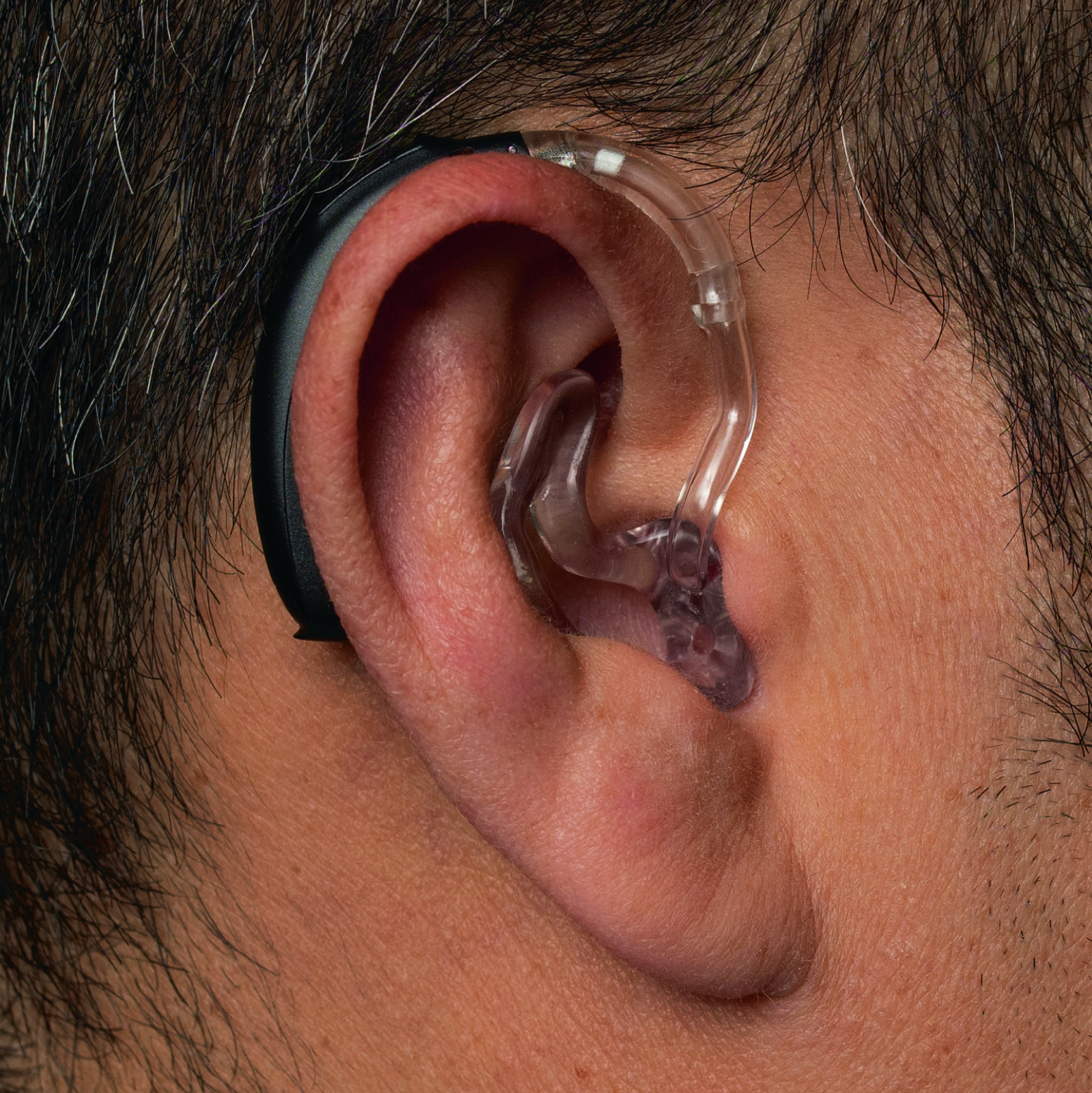
A Phonak Behind-the-Ear hearing aid with a clear tube into the canal
BTE: the larger body sits behind the ear, with a soft tube into the canal · Phonak
02 · BEHIND-THE-EAR

BTE

કાનની પાછળ · ઉત્તમ એમ્પ્લિફિકેશન અને ટકાઉપણું

The classic. A larger body sits behind the ear with a soft tube leading to a custom earmould. Because it's bigger, it accommodates a larger battery and a more powerful amplifier, which is exactly why it's still the best choice for severe-to-profound hearing loss.

BTEs are also the most practical choice when dexterity or memory is a factor. Older patients, and children, find them easier to put on, take off, and care for. They're robust, serviceable, and reliable for a decade or more.

Loss range
Mild → Profound
Visibility
Visible
Battery
Long-life · replaceable
Power
Highest available
Handling
Very easy
Durability
10+ years

Best for

Severe-to-profound hearing loss, elderly patients with reduced dexterity, active children, or anyone who prioritises reliability and battery life over discretion.

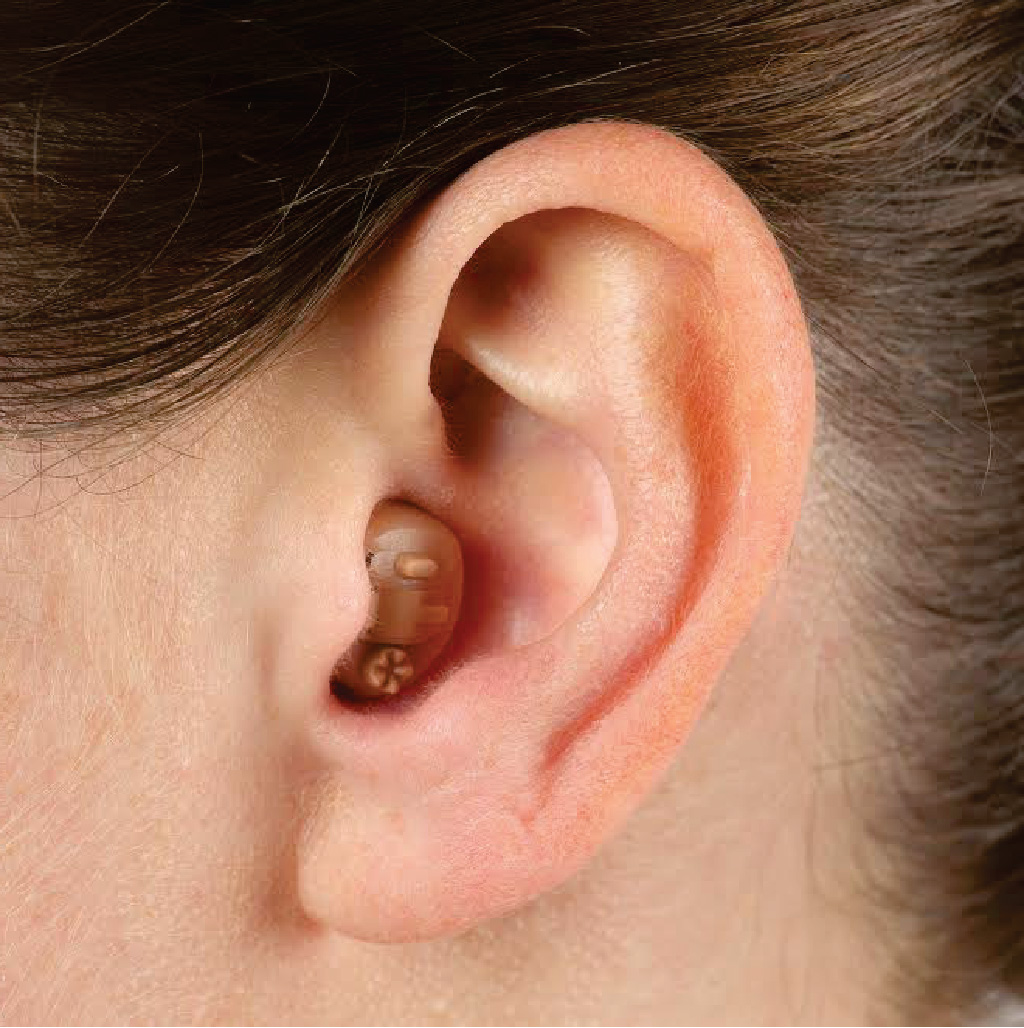
Custom in-the-canal hearing aid — a flesh-toned shell that sits at the canal entry, almost invisible from the front
Custom ITC shell. Sits at the canal entry; CIC variants are set deeper.
03 · CUSTOM SHELL

Custom — ITC & CIC

કસ્ટમ-મેડ · લગભગ અદ્રશ્ય

Shells moulded precisely to the shape of your ear canal. Two sizes to choose from. ITC (In-The-Canal) sits at the entry of the canal and is small but still visible if someone looks; CIC (Completely-in-Canal) goes deeper and is almost impossible to spot.

The appeal is discretion. The tradeoff is battery life (smaller battery), less room for advanced features like directional microphones and Bluetooth, and trickier handling for elderly patients. Excellent for mild-to-moderate loss where visibility really matters to the wearer.

Loss range
Mild → Moderate
Visibility
Very low (CIC: almost none)
Battery
Small · 3–7 days
Bluetooth
ITC: limited · CIC: no
Handling
Needs good dexterity
Custom fit
~1 week to make

Best for

People in their 40s–60s with mild-to-moderate loss who want the device to be invisible. Professionals, public-facing roles, or anyone who's previously refused a behind-the-ear style.

How the three families compare.

RICBTECustom (ITC/CIC)
Where it sitsBehind ear, thin wire in canalBehind ear, tube to earmouldInside the ear canal
VisibilityNear-invisibleVisibleVery low → invisible
Loss rangeMild → SevereMild → ProfoundMild → Moderate
Sound qualityNatural, clearPowerful, fullClose-to-ear, narrow
BatteryRechargeable / 5–7dLong-life replaceableSmall · 3–7 days
BluetoothYesYes (most)Limited / no
Dexterity neededLowVery lowModerate → high
Feedback (whistling)RareRarePossible
Trial period3–5 days3–5 daysFit after mould
Best forMost adults, 55–80Severe loss, elderly, childrenMild loss, visibility-sensitive
Next step

Not sure which one fits? That's why we do trials.

Come in for a hearing test. If a device makes sense, we'll let you take it home for a few days. Only then do we talk about buying.